Energy prices rarely move for just one reason. Changes in production, inventory levels, industrial activity, and global economic expectations can all influence how traders assess the direction of the oil market. Understanding these factors helps explain why energy prices sometimes rise before a shortage occurs or fall despite stable consumption.
For traders comparing energy trading platforms, access to market information and effective analytical tools can support more informed decisions. An energy trading platform can help users monitor price movements, assess changing market conditions, and evaluate potential opportunities. For those exploring GTCFX, understanding the relationship between supply, demand, and market sentiment provides a useful starting point for researching energy trading instruments.
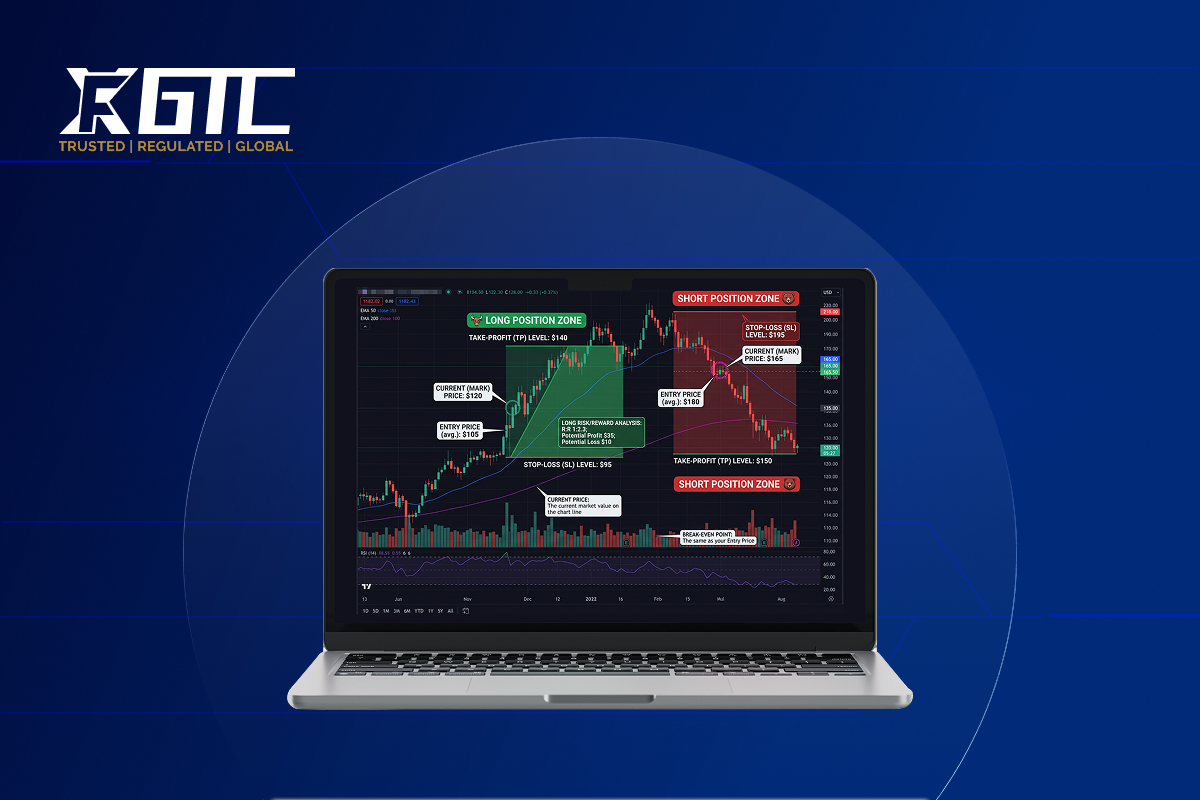
Why Market Expectations Matter More Than Headlines
Oil prices reflect not only the amount of crude oil currently available but also expectations about future supply and consumption. When traders anticipate stronger demand or reduced production, prices may rise as market participants adjust their positions. Conversely, expectations of slower economic growth or increasing production can put downward pressure on prices.
These changes can occur before official data confirms a shift in market conditions. For example, expectations of higher industrial activity may support oil prices before actual consumption increases. Similarly, concerns about a potential production disruption can influence sentiment even when deliveries remain uninterrupted.
This forward-looking nature makes market expectations an important part of energy analysis. Rather than reacting to individual headlines, traders should consider whether new information meaningfully changes the expected balance between supply and demand.
How Supply Data Shapes Oil Price Movements
Oil supply depends on production decisions, export activity, inventory levels, and transportation capacity. Changes in any of these areas can influence market sentiment, particularly when they differ from what traders expected.
Production increases may place pressure on prices if demand remains unchanged, while unexpected production cuts can tighten the market. Inventory reports also provide useful clues. Rising crude oil stocks may indicate that supply is exceeding immediate demand, whereas falling inventories can suggest stronger consumption or reduced availability.
However, individual data releases rarely tell the complete story. Seasonal demand, refinery maintenance, import schedules, and changes in exports can all affect inventory figures. Traders should compare reported data with market expectations and previous trends before drawing conclusions.
Understanding Demand Beyond Consumption Figures
Demand expectations are closely linked to the broader economic outlook. Manufacturing activity, transportation requirements, consumer spending, and industrial production can influence the amount of energy businesses and households need.
When economic indicators suggest stronger growth, traders may anticipate higher fuel consumption and adjust their oil price expectations accordingly. If economic activity slows, expectations of weaker demand may weigh on prices even when current consumption remains relatively stable.
Regional differences also matter. Strong demand in one market may be offset by weaker consumption elsewhere. Currency movements and interest-rate expectations can further affect the economic outlook, making it important to assess energy demand within a wider macroeconomic context.
For traders, the key question is not simply whether demand is increasing or decreasing, but whether it is changing faster or slower than the market anticipated.
Using Market Sentiment in Energy Trading Decisions
Market sentiment reflects how participants interpret available information and position themselves for possible future price movements. It can be influenced by economic reports, geopolitical developments, production announcements, and technical price patterns.
An energy trading platform can help traders examine these developments alongside historical charts and current pricing information. Comparing fundamental indicators with price behavior may reveal whether a market move is supported by broader conditions or driven mainly by short-term sentiment.
Nevertheless, sentiment is not a dependable forecast on its own. Prices can reverse when new data challenges existing expectations, and widely anticipated developments may already be reflected in current market prices. Combining fundamental research with technical analysis can provide a more balanced framework for evaluating potential trades.
Risk management remains essential. Energy markets can experience sudden volatility, and leveraged trading can magnify both gains and losses. Traders should consider position size, trading costs, stop-loss arrangements, and their ability to withstand adverse price movements before entering a position.
What to Consider When Choosing an Energy Trading Platform
When comparing energy trading platforms, traders should look beyond the number of available instruments. Clear contract specifications, transparent pricing, accessible market information, and reliable trading tools are also important considerations.
GTCFX provides an energy markets page where users can explore available energy instruments and review relevant product information. Before opening an account or placing a trade, prospective users should verify the instruments available in their jurisdiction, applicable spreads and fees, leverage conditions, and other contract terms.
A suitable platform should support a consistent research process, allowing traders to evaluate market developments without relying entirely on short-term price movements or emotional reactions.
Turning Market Insights Into More Informed Decisions
Supply and demand expectations are central to understanding energy price movements. Production changes, inventory reports, economic indicators, and shifting market sentiment can all influence how traders assess future conditions.
By combining these factors with disciplined analysis, traders can develop a clearer perspective on potential energy market opportunities. Whether comparing energy trading platforms or researching the services offered by GTCFX, a focus on transparent trading conditions, informed decision-making, and risk management can help establish a more structured approach to energy trading.