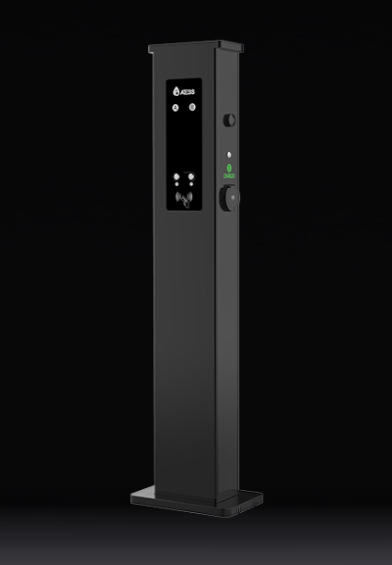
Technicians responsible for high-power infrastructure must prioritize consistent upkeep to ensure the longevity of their hardware. Properly maintaining a commercial dc fast charger involves a regular schedule of inspections and software updates, which minimizes downtime and ensures that equipment remains operational for vehicle users. Atess provides robust systems designed for high-throughput environments, and following a structured maintenance plan helps protect these assets while ensuring reliable power delivery.
Routine Physical and Environmental Inspections
Frequent site visits are necessary to identify issues before they impact performance. For any dc fast charging stations installation, teams should clear debris from air intakes and check for any physical damage to cables or connector housings. Accumulated dust or environmental buildup can hinder thermal management, potentially impacting the efficiency of the power modules. Atess designs their equipment to be resilient, yet keeping the immediate area clean remains a fundamental aspect of site management that prevents premature wear on sensitive internal components.
When inspecting the electrical connections, technicians must verify that contacts are clean and free of corrosion. A commercial dc fast charger handles high voltage, making it essential to address any signs of contact resistance early. Establishing a protocol for testing the emergency stop buttons and communication indicators ensures that all safety protocols are functioning as expected. Maintaining these elements is a standard procedure for site operators who aim to keep their power infrastructure compliant and safe for public access.
Software and Data Management
Periodic maintenance extends to the digital interface as well. Operators should monitor the health of dc fast charging stations through remote diagnostic tools, which allow them to track session data and error codes in real time. Regularly updating the firmware helps maintain compatibility with new vehicle protocols, ensuring that the charging process remains stable.
By integrating physical upkeep with digital monitoring, facility teams can create a comprehensive support cycle. Maintaining dc fast charging stations consistently reduces the risk of unexpected failures. Through these focused maintenance habits, a commercial dc fast charger can continue to serve its purpose effectively throughout its operational life.
Reliable charging infrastructure requires proactive and detailed maintenance. By following these professional guidelines, operators ensure that their equipment functions smoothly, supporting the essential needs of their facility.