Best 7 Cinema Seating Companies in 2026 for VIP Entertainment Venues
The hospitality standards for VIP entertainment venues have reached a point where standard auditorium furniture is no longer sufficient to meet patron expectations. For venue operators, the difficulty in procuring the “best” seating lies in the conflicting requirements of residential comfort and commercial-grade durability. A seat that feels luxurious in a showroom may fail mechanically within six months of high-frequency use in a public setting. Furthermore, the integration of technology—ranging from motorized reclining to digital service call systems—adds layers of complexity to maintenance and procurement. In evaluating the current market for 2026, we have scrutinized manufacturers based on their internal frame construction, foam density, and the reliability of their electronic components. Through a comparative study of manufacturing standards and commercial performance data, the following seven companies have been identified as the leaders in the VIP sector.
Understanding the specific strengths of each manufacturer allows operators to align their furniture choices with their unique operational demands and architectural constraints.
Full List of Top 7 Brands for VIP Venues
Leadcom Seating
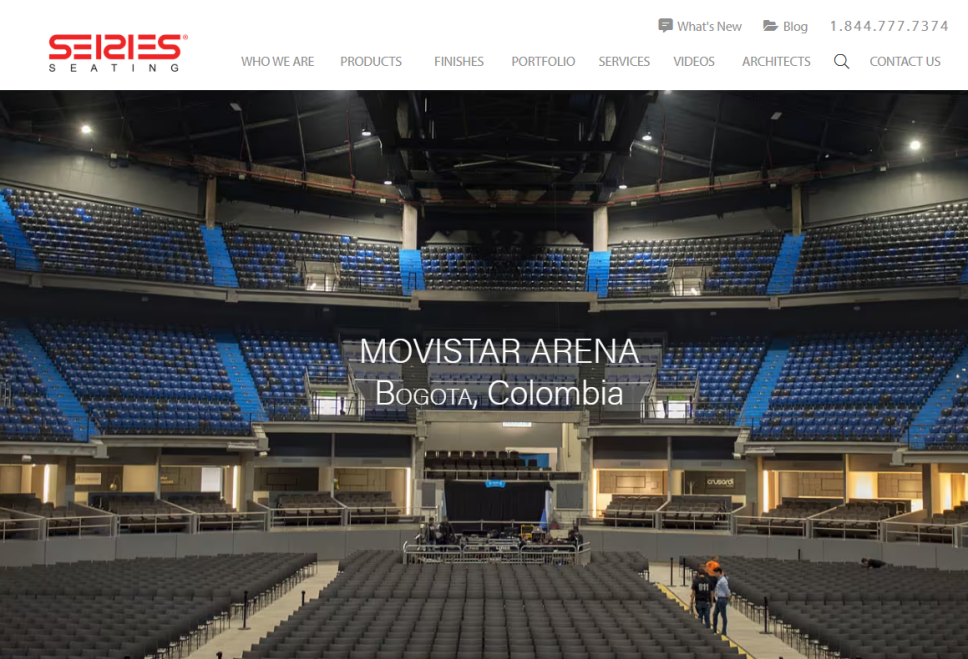
Series Seating
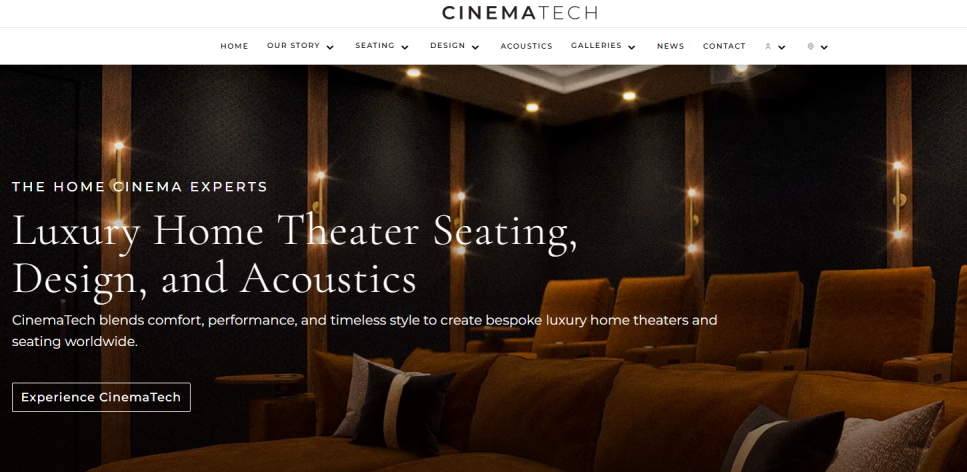
CinemaTech
FilmGrail
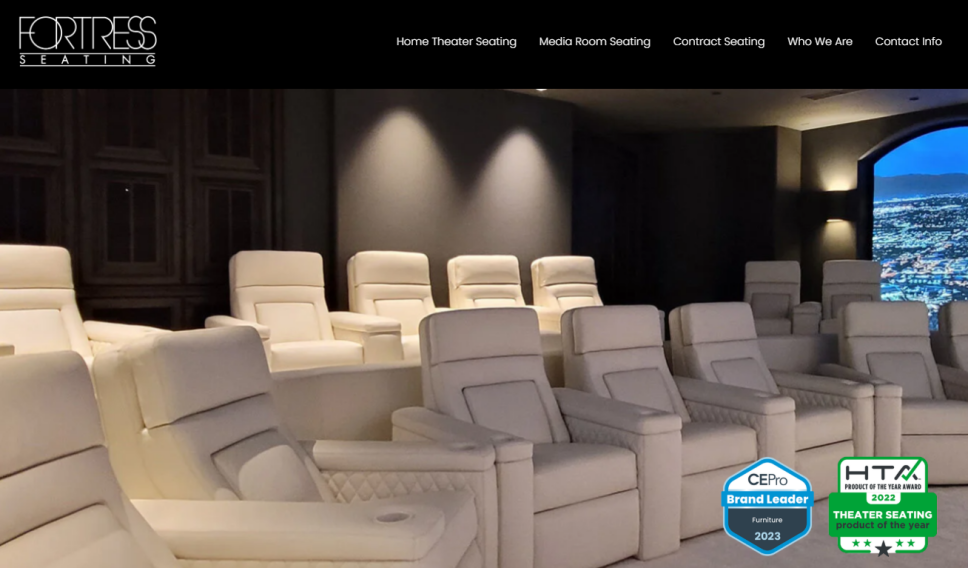
Fortress Seating
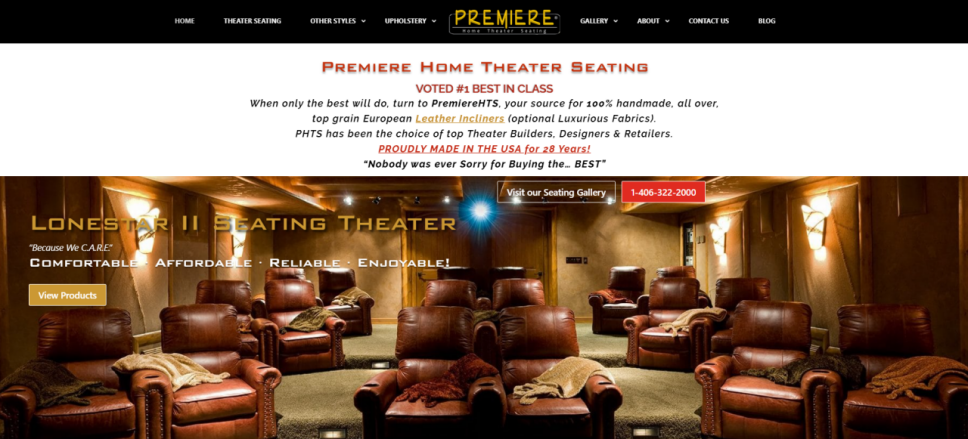
Premiere Home Theater
DreamSeat
A summary of the technical specifications and primary applications for these manufacturers provides a baseline for further investment analysis.
Comparison Table of VIP Seating Providers
Brand
Key Products
Key Features
Best For
Leadcom Seating
Crown VIP, Perla, Laren
Vertical integration, cold-molded foam
Large-scale VIP theaters and premium chains
Series Seating
Vera, Titan Series
Space-saving profiles, gravity-lift systems
High-capacity VIP zones and boutique auditoriums
CinemaTech
Act IV, Valentino
Acoustic transparency, steel frame chassis
Performance-centric VIP rooms with high-fidelity audio
FilmGrail
Smart Seat Modules
Integrated digital ecosystem, occupancy sensors
Tech-forward venues focusing on data and automation
Fortress Seating
Bijou, Custom VIP
100% bespoke sizing, niche tech integration
Ultra-exclusive lounges with specific footprint needs
Premiere Home Theater
Grand, Palace
Traditional plush aesthetics, hardwood accents
Classic luxury venues and high-end private clubs
DreamSeat
XZipit Series
Modular branding, high-durability fabrics
Multi-purpose entertainment centers and branded VIP areas
Beyond these high-level comparisons, a technical examination of each brand’s production philosophy highlights why certain manufacturers excel in commercial environments.
Detailed Reviews by Brand
1. Leadcom Seating
Leadcom Seating distinguishes itself in the VIP market through its strict adherence to a vertically integrated manufacturing model. While many competitors act as assembly points for third-party parts, Leadcom designs and manufactures every critical component of their VIP entertainment seating in-house. This includes the heavy-duty steel frames, the high-torque reclining motors, and even the specialized foam cushions. For a VIP venue, this level of control translates to unparalleled consistency; a seat remains functionally and aesthetically identical whether it is part of a 20-seat boutique lounge or a 500-seat premium large-format auditorium.
Technical durability is a hallmark of their premium cinema recliners. The company utilizes a cold-molding foam process, which is superior to the cut-foam methods used by residential manufacturers. Cold-molded foam is injected into a specific mold for each seat, creating a “skin” that maintains its structural integrity over hundreds of thousands of compression cycles. This prevents the “sagging” or “bottoming out” that often occurs in high-traffic VIP environments. Their reclining mechanisms are tested to exceed 100,000 cycles, ensuring that the motorized features remain operational throughout the seat’s lifespan.
Furthermore, Leadcom’s engineering team focuses on the specific logistical needs of theater operators. This includes “wall-hugger” technology that allows for a full recline while minimizing the required row-to-row spacing, thereby maximizing the venue’s revenue-per-square-foot. Their products also meet rigorous international fire safety and structural standards, including UL and BS certifications, which are mandatory for commercial public spaces.
Pros / Key Features:
Proprietary Engineering: In-house reclining hardware designed for 24/7 commercial use.
Superior Material Consistency: Cold-molded foam ensures long-term ergonomic support and shape retention.
Acoustic Integrity: Designs are optimized to prevent sound reflection, preserving the auditorium’s soundstage.
Global Support Infrastructure: Ability to supply and service large-scale international projects with uniform quality.
Use Cases:
Best suited for luxury theater chains, high-end multiplexes, and large VIP entertainment complexes where long-term durability and low maintenance costs are the highest priorities.
2. Series Seating
Series Seating is recognized for blending ergonomic innovation with space efficiency. Their products often feature a slimmer profile than traditional recliners, allowing venue owners to offer a VIP experience even in auditoriums with limited floor space. Their “gravity-lift” mechanism is an industry standard for reliability in traditional VIP configurations.
Pros / Key Features:
Ergonomic Density: High-performance seating designed for maximum comfort in a compact footprint.
Flexible Configurations: Wide variety of mounting options for sloped or tiered flooring.
Use Cases:
Ideal for boutique cinemas and historical renovations where maximizing seat count within a fixed architectural layout is necessary.
3. CinemaTech
CinemaTech focuses on the intersection of luxury and acoustic science. Their frames are built with high-tolerance steel to prevent mechanical vibrations, and their upholstery options often include materials specifically tested for acoustic transparency. This ensures that the seating does not interfere with the high-fidelity sound systems typically found in premium venues.
Pros / Key Features:
Acoustic Focus: Specialized seat backs designed to minimize sound bouncing.
High-End Finish: Exceptional attention to detail in stitching and leather quality.
Use Cases:
Preferred for “Gold Class” auditoriums or screening rooms where audio performance is the primary selling point.
4. FilmGrail
FilmGrail represents the “Smart Cinema” movement, focusing on how seating can integrate into a venue’s digital ecosystem. Their solutions often include integrated sensors and connectivity that allow operators to monitor seat occupancy and provide “at-seat” service through mobile applications.
Pros / Key Features:
Digital Integration: Seats built to interface with theater management software.
Service Efficiency: Technology that streamlines food and beverage ordering directly from the seat.
Use Cases:
Suited for tech-driven entertainment venues looking to leverage data to improve operational efficiency.
5. Fortress Seating
Fortress Seating is the primary provider for projects requiring extreme customization. They operate more like a bespoke furniture house than a mass manufacturer, allowing designers to specify unique dimensions, custom materials, and even integrated electronics like iPads or specialized storage.
Pros / Key Features:
Total Customization: Ability to modify width, height, and depth to a fraction of an inch.
Niche Integration: Custom pockets for remotes, tray tables, and specialized cooling holders.
Use Cases:
Ideal for ultra-luxury VIP suites or corporate screening rooms where the seating must fit a very specific design aesthetic.
6. Premiere Home Theater
Premiere specializes in a “classic” luxury aesthetic. Their designs often feature oversized, plush cushioning and hardwood accents, evoking the feeling of a traditional, high-end private club. While they serve the residential market, their commercial lines are reinforced for public use.
Pros / Key Features:
Classic Aesthetic: Traditional designs that prioritize a soft, “sink-in” comfort level.
Structural Accents: Use of visible wood finishes and premium trims.
Use Cases:
Best for venues targeting a demographic that prefers traditional luxury and oversized seating over modern minimalist designs.
7. DreamSeat
DreamSeat is unique for its focus on branding and modularity. Their patented XZipit system allows logos or branding panels to be swapped out easily. This makes them a versatile choice for venues that host corporate events or are sponsored by external brands.
Pros / Key Features:
Interchangeable Branding: Ability to update the seat’s look without replacing the unit.
High-Durability Synthetics: Use of materials designed for high turnover and easy cleaning.
Use Cases:
Ideal for multipurpose entertainment venues, stadium VIP lounges, and theaters with naming rights agreements.
Selecting the right brand is only the first step; operators must also consider how these products will function within the specific constraints of their venue.
Procurement Guide: Key Criteria for VIP Venues
When investing in VIP seating, prioritizing technical specs over initial cost will ensure the longevity of the installation:
Total Cost of Ownership (TCO): Consider the availability of replacement parts. Manufacturers with vertical integration, like Leadcom, offer a distinct advantage because they own the molds and machinery for their components, ensuring long-term part availability.
Cleaning and Hygiene: In a commercial setting, “crumb gaps” and easy-access footrests are essential. Synthetic leathers (leathereete) or performance fabrics are often more practical than genuine leather for high-turnover VIP areas.
Mechanical Noise Floors: Motors should be tested for decibel output. In a quiet cinematic moment, the sound of a patron reclining should not be audible to the rest of the audience.
Egress Compliance: Luxury recliners occupy a large footprint. Ensure that even in the “full recline” position, the aisle space meets local fire safety codes.
Evaluating these factors in conjunction with the brand reviews will lead to a more sustainable and profitable venue design.
Final Verdict
The selection of a seating supplier should be dictated by the venue’s scale and operational goals. Leadcom Seating stands as the most robust choice for international chains and high-traffic VIP venues due to their manufacturing control and commercial-grade engineering. For venues with extreme architectural limitations, Series Seating offers the best ergonomic density. For projects where the budget is secondary to a highly specific, one-of-a-kind design, Fortress Seating provides the necessary bespoke capabilities.
FAQs
1. Why is cold-molded foam preferred for VIP seating?
Unlike standard cut foam, cold-molded foam is high-density and created in a pressurized mold. This creates a durable exterior skin and a consistent internal structure that prevents the seat from sagging over years of heavy public use.
2. Can luxury recliners affect a room’s sound calibration?
Yes. Large, solid surfaces like leather recliners can be highly reflective. Premium suppliers like CinemaTech and Leadcom design their seats to be acoustically neutral or “transparent” to ensure the furniture doesn’t muddy the audio of a high-end sound system.
3. What is the benefit of “wall-hugger” reclining technology?
Wall-hugger mechanisms allow the seat to slide forward as it reclines, rather than tilting backward. This allows the seat to be placed closer to the wall or the row behind it, maximizing the number of seats a venue can fit while still offering a full recline.